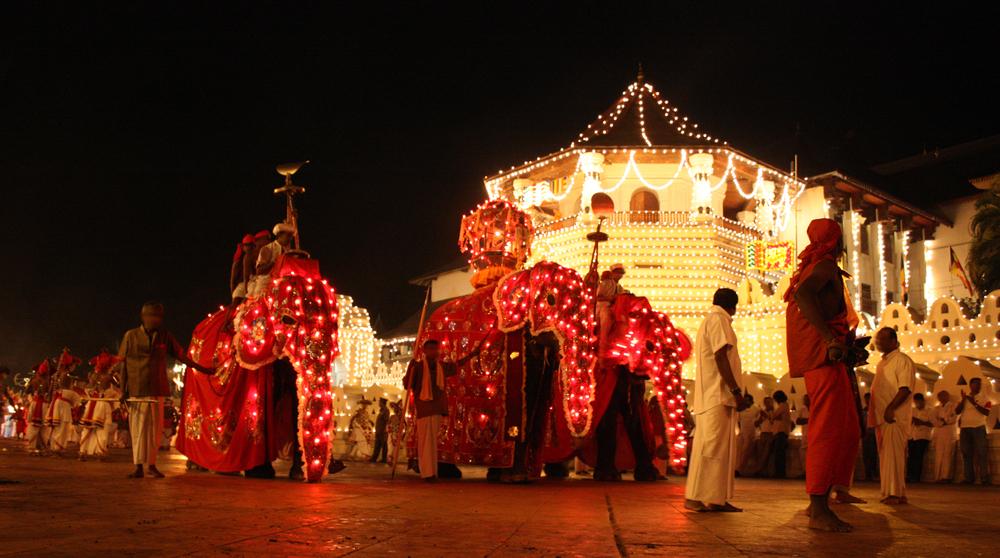
Kandy is a UNESCO World Heritage Site and a cultural heart of Sri Lanka, best known for being home to the Temple of the Tooth Relic (Sri Dalada Maligawa), which houses the sacred tooth of the Buddha. It is one of the holiest Buddhist sites in the world and attracts pilgrims from around the globe. The city also showcases rich Kandyan heritage, with its traditional dance performances, Kandy Esala Perahera (annual festival), and Botanical Gardens filled with centuries-old plants and trees. Kandy was the last capital of the Sinhalese kings and is famous for its royal palace and lakeside views that reflect its historical importance in Sri Lankan history.
Anuradhapura
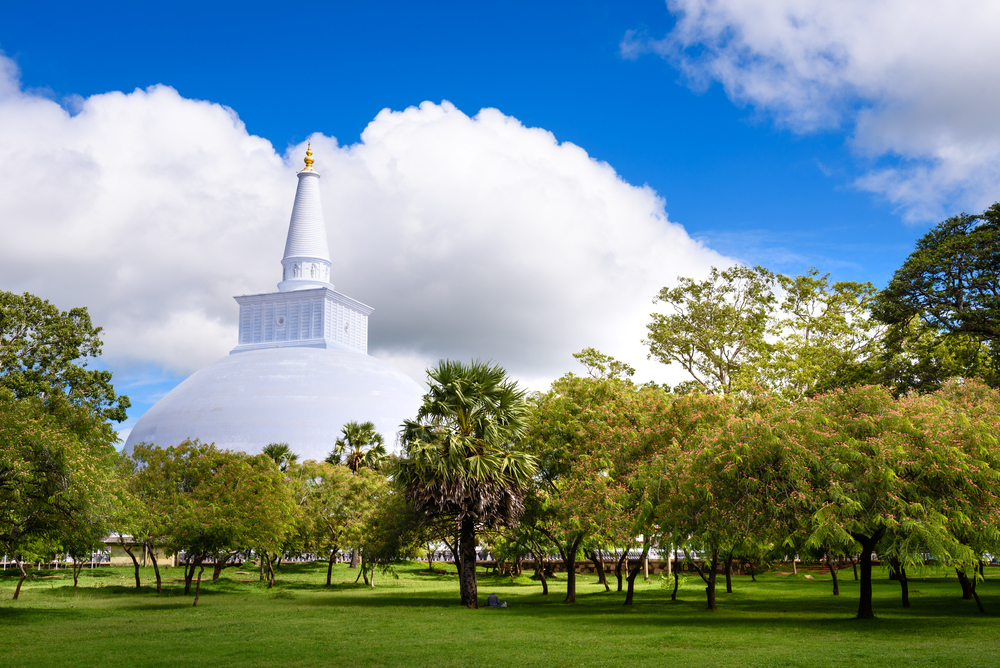
Anuradhapura is an ancient city and one of the oldest continuously inhabited cities in the world, dating back to the 4th century BC. A UNESCO World Heritage Site, it is renowned for its ancient Buddhist temples, stupas, and historical monuments. The Sri Maha Bodhi tree, grown from a cutting of the original tree under which the Buddha attained enlightenment, is a significant pilgrimage site. The city is also home to Ruwanwelisaya Stupa, an engineering marvel and symbol of ancient Sri Lankan architecture, and Abhayagiri Monastery, one of the largest monastic complexes in the ancient world. Anuradhapura’s rich cultural and religious significance makes it a focal point for Sri Lanka’s Buddhist heritage.
Polonnaruwa
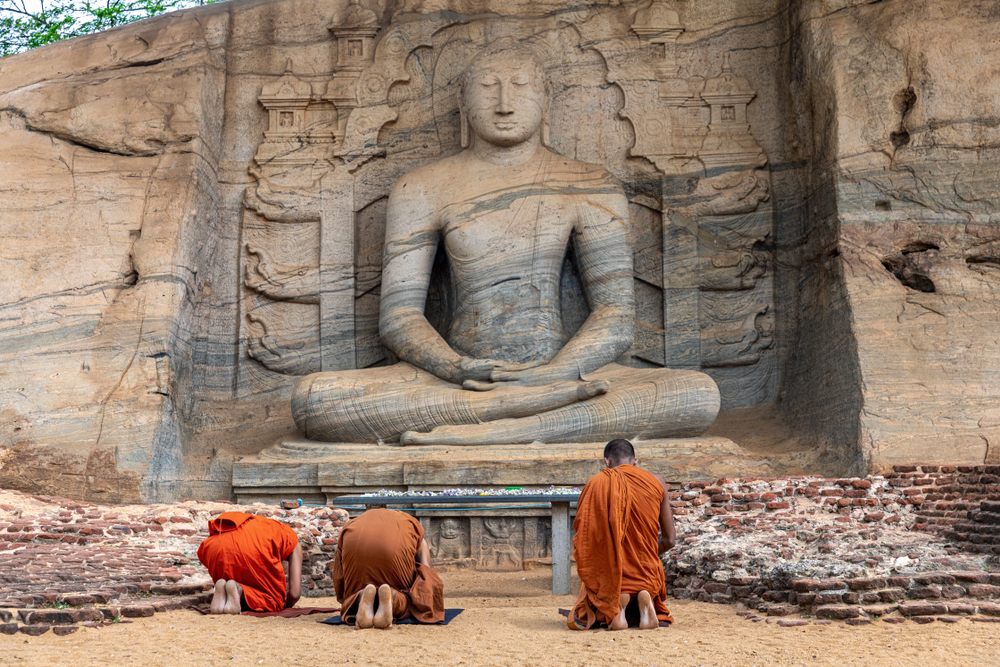
Polonnaruwa is an ancient city that once served as the capital of Sri Lanka. It holds significant historical importance as it marks the peak of Sri Lanka’s medieval civilisation. Notable cultural sites include the Gal Vihara, a rock temple featuring magnificent Buddha statues carved into the rock face, and Parakrama Samudra, a vast reservoir built by King Parakramabahu I, which showcases the advanced engineering skills of ancient Sri Lankans. Polonnaruwa is also home to the Royal Palace ruins, Alahana Pirivena monastery, and the Lankathilaka Temple, each contributing to the city’s cultural importance and illustrating Sri Lanka’s architectural achievements during its golden age.
Dambulla
Dambulla is famous for the Dambulla Cave Temple, a UNESCO World Heritage Site. This complex of five caves, adorned with ancient murals and over 150 Buddha statues, is one of the best-preserved examples of ancient Sri Lankan cave temples. The site has served as a place of worship for over 2,000 years and reflects Sri Lanka’s deep connection to Buddhism. The Golden Temple at the foot of the caves is also a key pilgrimage site. Dambulla’s historical significance as a refuge for the kings of Sri Lanka during periods of invasion and its vast cultural heritage make it an essential visit for those interested in Sri Lanka’s Buddhist traditions.
Sigiriya
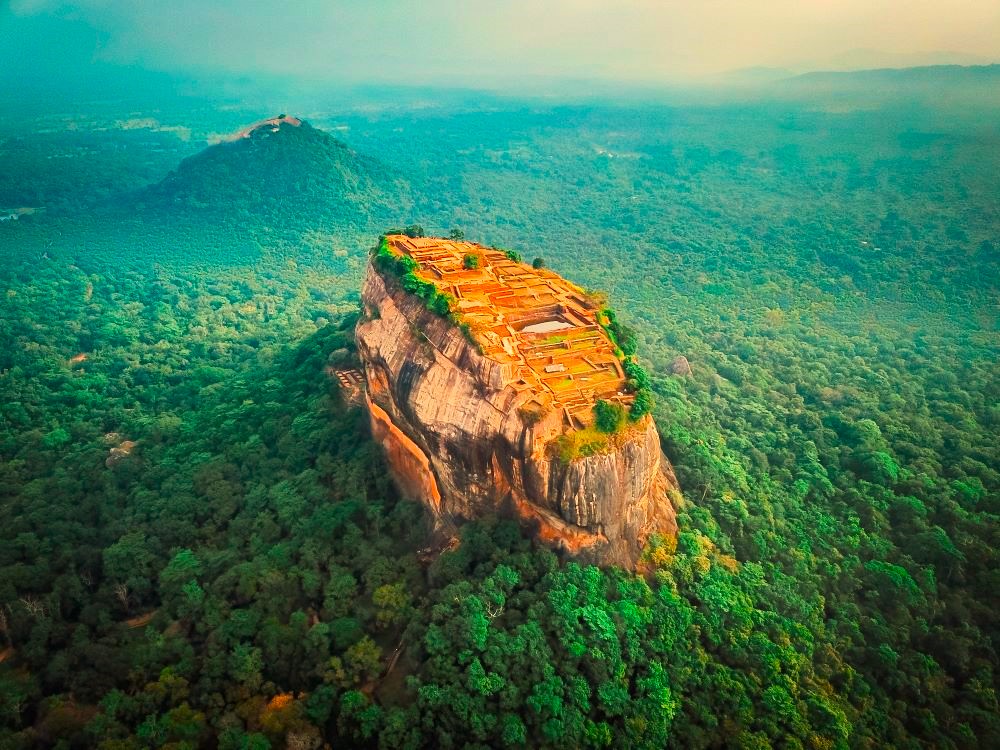
Sigiriya, or the Lion Rock, is one of Sri Lanka’s most iconic landmarks, with a rich history that spans over 1,500 years. This ancient rock fortress was once the seat of King Kassapa and is renowned for its stunning frescoes, intricate water gardens, and the giant lion’s paws that mark the entrance to the summit. The Sigiriya Rock Fortress is a masterpiece of urban planning and engineering, featuring impressive water supply systems and decorative gardens. It is a UNESCO World Heritage Site and an enduring symbol of Sri Lanka’s ancient civilisation, showcasing royal power, artistry, and the ingenuity of the ancient Sinhalese.
Kataragama
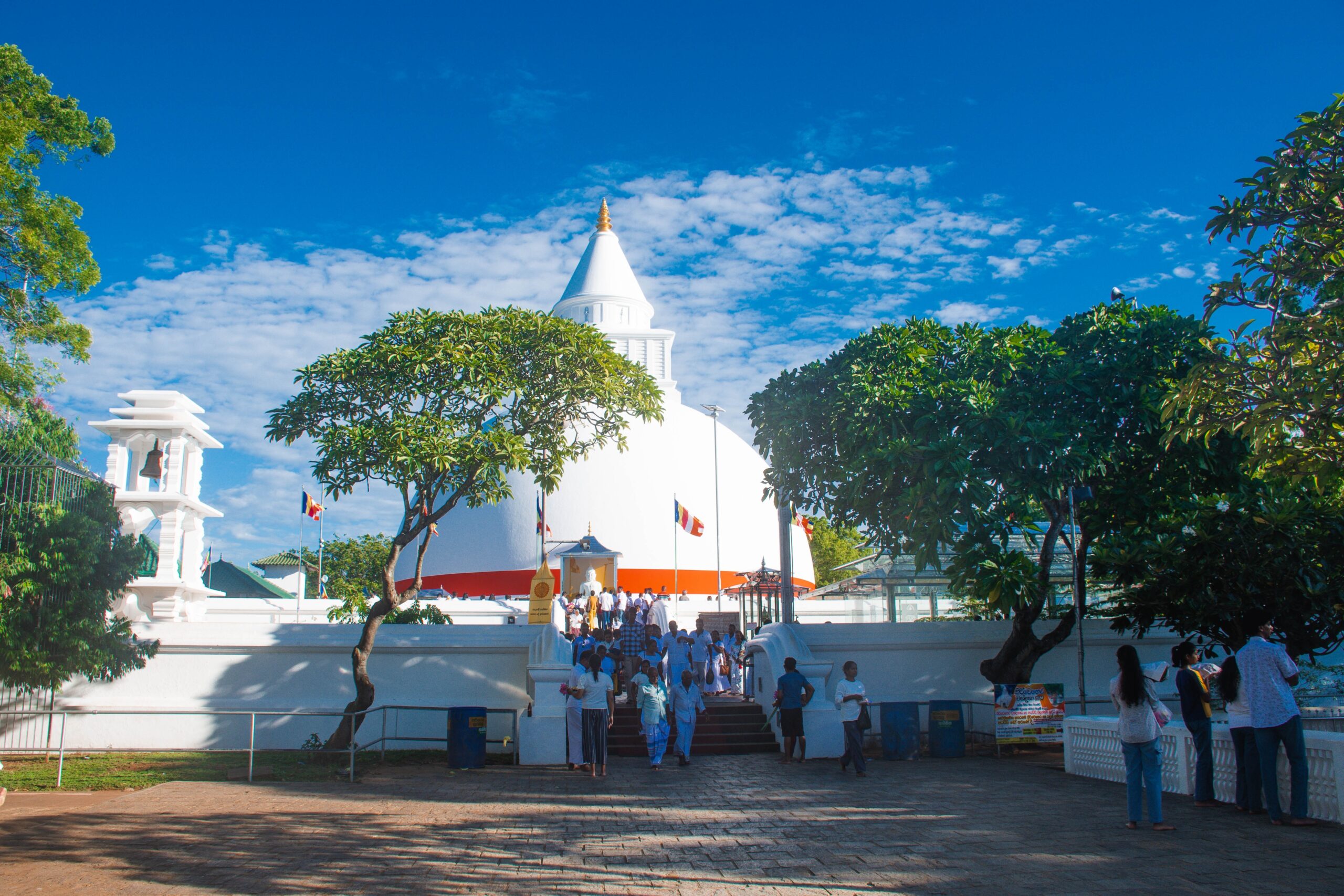
Kataragama is a sacred city in southern Sri Lanka that holds deep spiritual significance for Buddhists, Hindus, and even Muslims. The Kataragama Temple, dedicated to the Hindu god Skanda (Kartikeya), is a key pilgrimage site, attracting people from various religious backgrounds. The temple complex is famous for its vibrant annual festivals and its mystical cultural rituals, including fire-walking and milk offering ceremonies. Kataragama’s unique religious blend reflects Sri Lanka’s diverse cultural fabric and its important role as a centre for spiritual unity in the country.