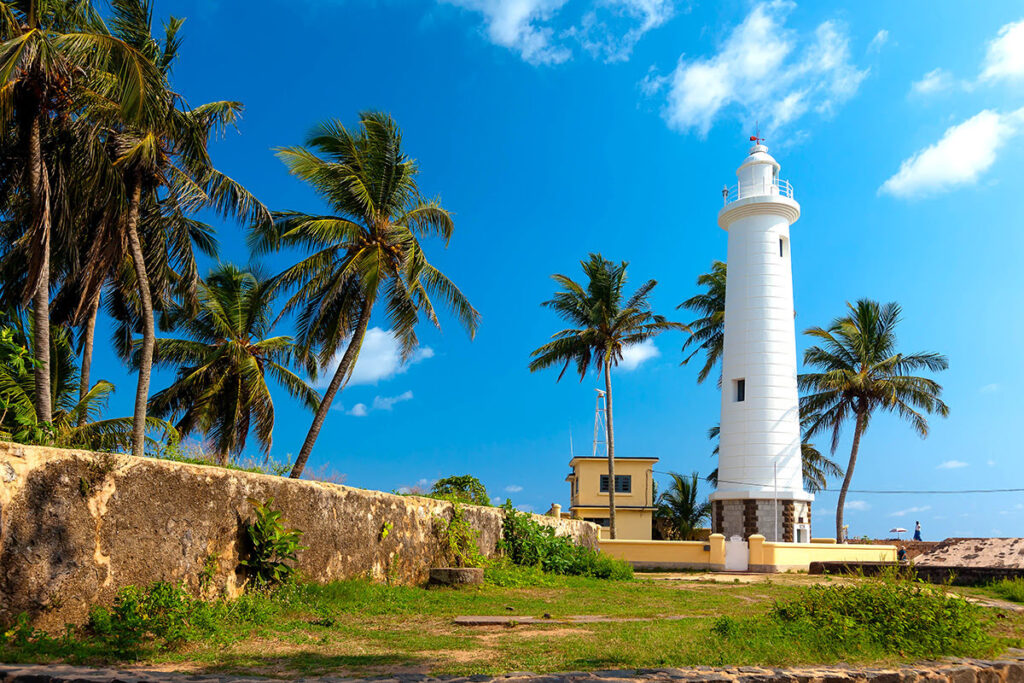
Galle Fort, a UNESCO World Heritage Site, stands as a well-preserved colonial treasure on Sri Lanka’s southern coast. Built first by the Portuguese in the 16th century and fortified by the Dutch in the 17th century, this architectural marvel blends European influence with South Asian traditions. Visitors can walk along the ancient ramparts, explore cobblestone streets lined with museums, boutiques, art galleries, and colonial churches, and admire panoramic views of the Indian Ocean from the Galle Lighthouse. The Fort offers cultural richness and historical depth, best explored in the early morning or late afternoon to avoid the midday heat and enjoy the golden hues of sunrise or sunset.
Peaceful Madu River Cruise
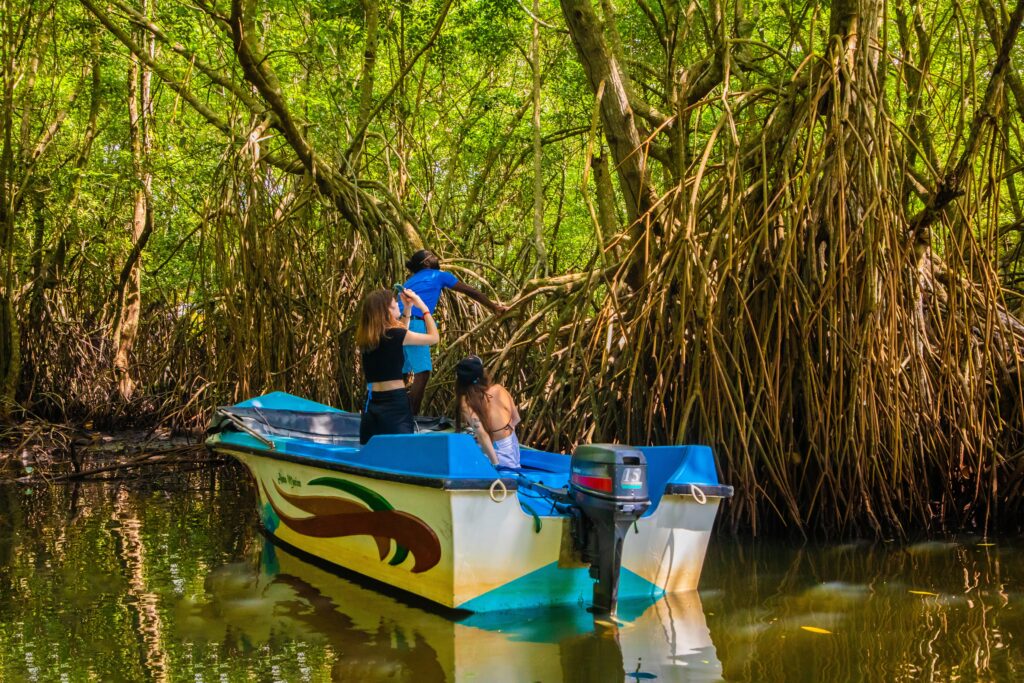
The Madu Ganga River, located in Balapitiya, is one of Sri Lanka’s most biodiverse wetland ecosystems. A river safari offers visitors the chance to glide past lush mangrove forests, cinnamon plantations, and traditional fishing villages. The journey often includes stops at small islets, such as the famous Cinnamon Island, and even visits to hidden Buddhist shrines and fish spas. This tranquil experience is perfect for bird watchers and nature lovers, with the best time to embark on a cruise being early morning when the river is quiet and wildlife is most active.
Turtle Conservation Journey
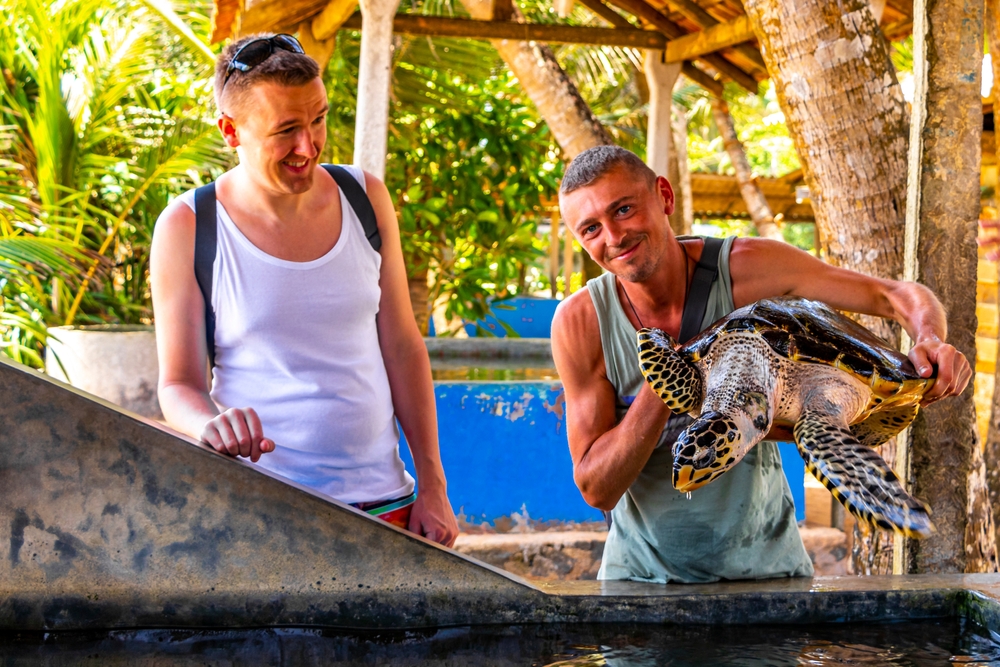
Sri Lanka’s southern coast is home to several turtle hatcheries, particularly in Kosgoda and Hikkaduwa, dedicated to the protection and rehabilitation of sea turtles. Visitors can learn about the conservation efforts, observe different species like the Olive Ridley and Green turtles, and even participate in releasing hatchlings into the sea—a truly moving experience. These centres work year-round, but the best time to visit is during nesting season (October to March) when turtle activity is at its peak. The experience is ideal for families and eco-conscious travellers looking to contribute to meaningful wildlife preservation.
Unawatuna Beach Serenity
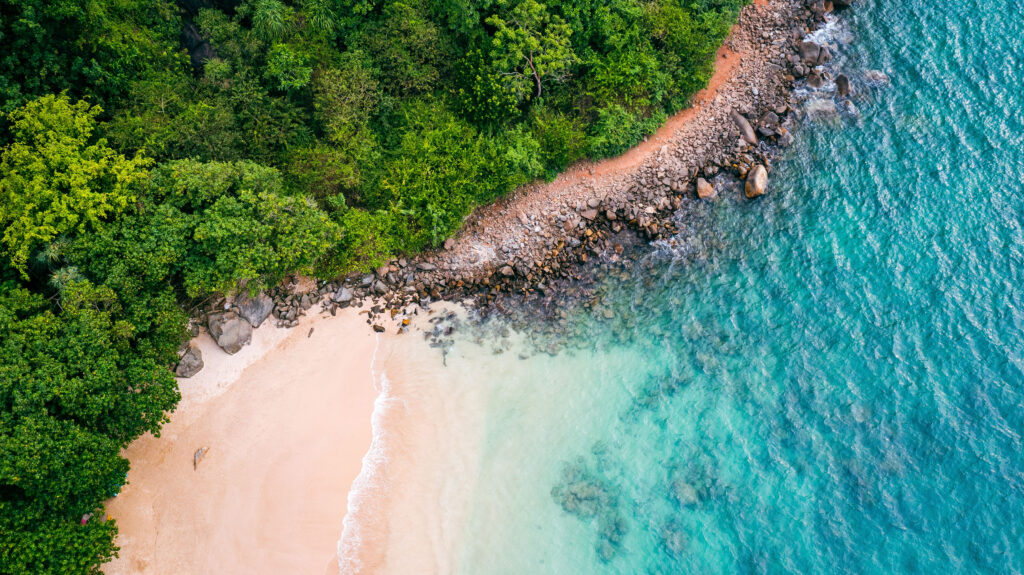
Unawatuna is a beloved coastal escape near Galle, known for its golden sand, calm bay, and coral-protected waters ideal for swimming and snorkelling. Fringed by palm trees and dotted with vibrant cafés and bars, it offers a laid-back beach atmosphere alongside soft adventure options like diving and paddleboarding. The beach also has cultural significance, as it is near the Japanese Peace Pagoda and Rumassala Hill. Unawatuna is perfect for those seeking a blend of relaxation and exploration, especially during the dry season from November to April, when the seas are calm and inviting.
Weligama Stilt Fishing Experience
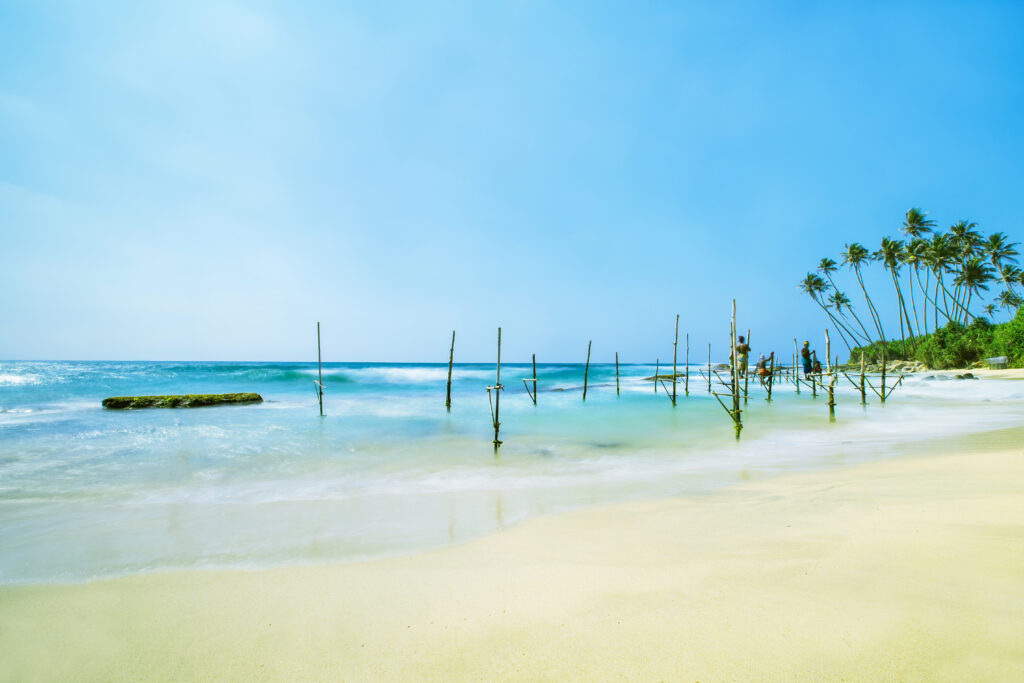
Stilt fishing in Weligama is one of Sri Lanka’s most iconic and visually striking traditional practices. Local fishermen perch atop wooden poles embedded into the seabed, balancing above the gentle waves as they cast their lines. Visitors can observe this unique technique, typically in the early morning or late afternoon during low tide, and even speak with the fishermen to learn about their heritage and lifestyle. The experience offers a window into Sri Lanka’s coastal traditions, making it a must-see for cultural enthusiasts and photographers.
The Unique Kalutara Hollow Dagoba
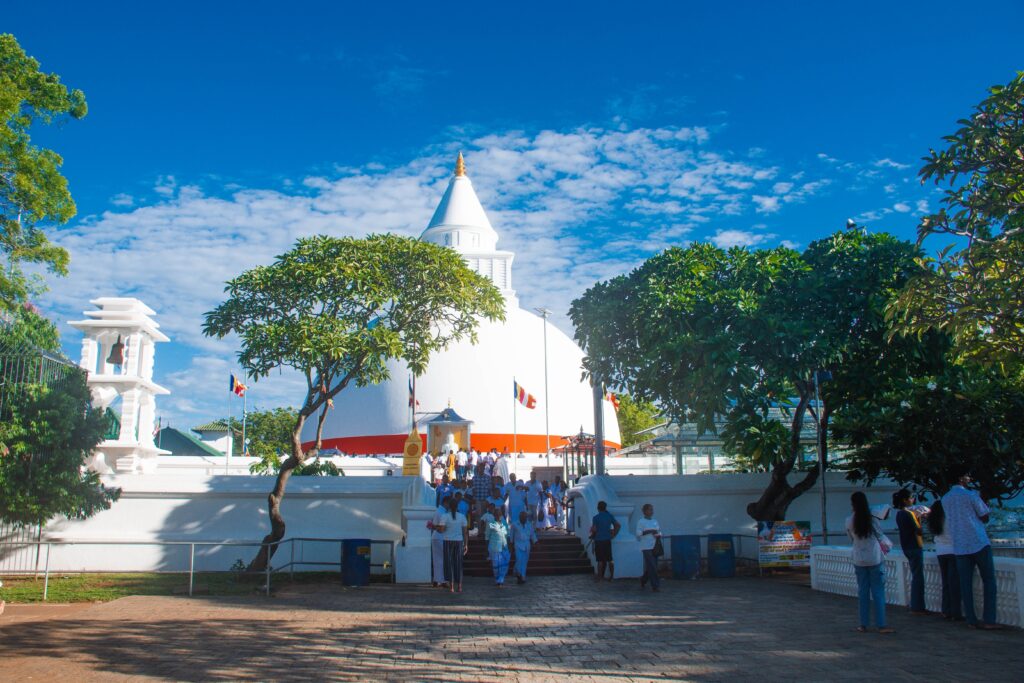
Located along the southwestern coast, the Kalutara Temple is known for its enormous white dagoba (stupa), which is one of the few in the world that can be entered. The interior houses murals depicting the life of the Buddha and offers a serene spiritual atmosphere. Overlooking the Kalu Ganga River, the temple complex is both an architectural and religious landmark. Visitors are encouraged to explore the dagoba respectfully, preferably during early morning or evening hours, when the temple grounds are quieter and more contemplative. It’s a must-visit for anyone interested in Buddhist culture and sacred architecture.