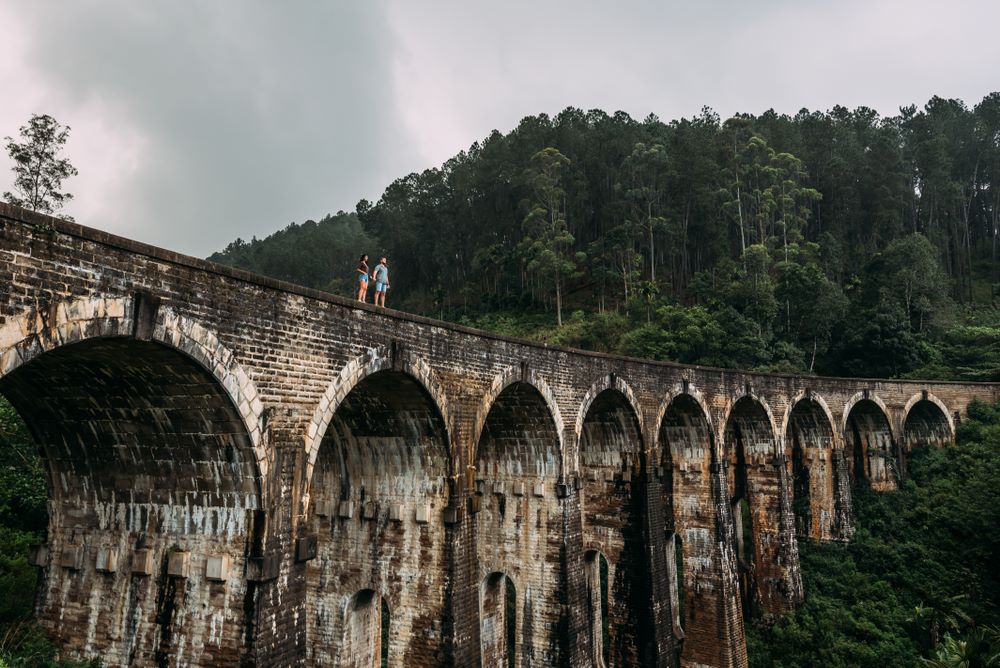
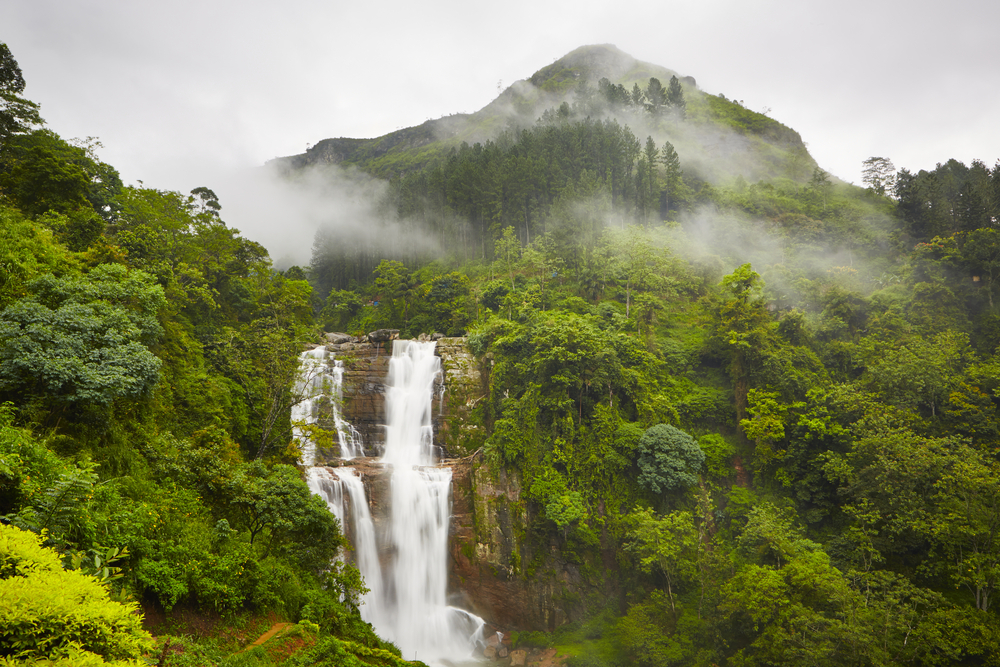
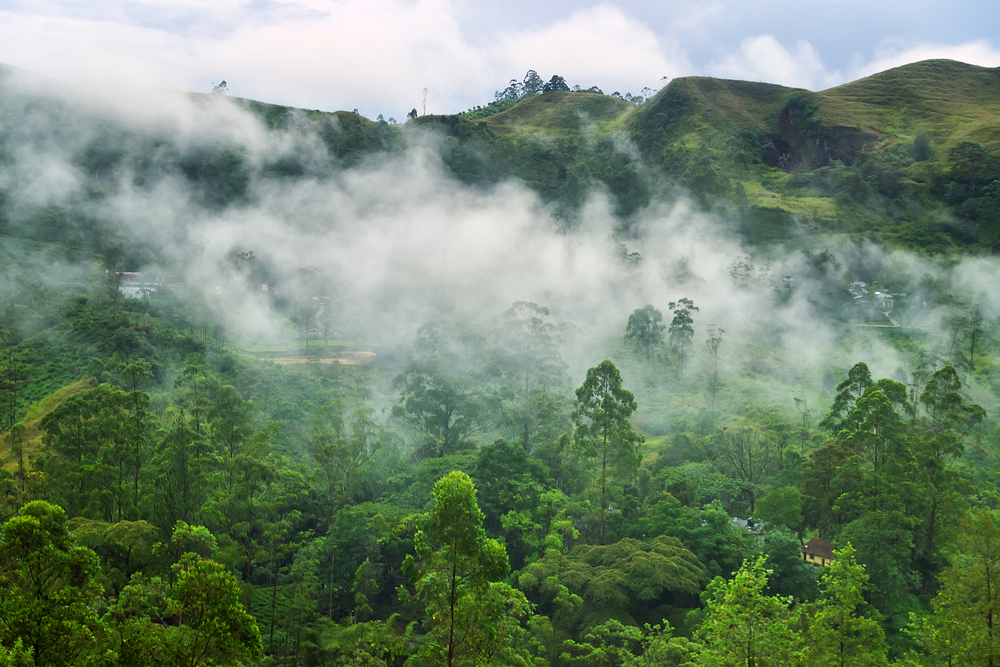
Tucked away in the central highlands, Ella is a lush, green sanctuary offering panoramic views of mountains, valleys, and endless tea plantations. It’s an eco-lover’s dream, with iconic trails like Little Adam’s Peak and Ella Rock inviting trekkers into untouched natural beauty. The Nine Arch Bridge stands as a testament to colonial engineering amidst wild greenery, while Ravana Falls thunders nearby, surrounded by forest. The crisp mountain air, organic farming villages, and minimal urbanisation make it a perfect escape for travellers seeking sustainability, serenity, and connection with the environment.
Nuwara Eliya
Known as “Little England” due to its cool climate and colonial architecture, Nuwara Eliya sits at over 1,800m above sea level. Eco-lovers are drawn here for the vast tea plantations, misty hills, and botanical wonders. Gregory Lake offers a peaceful setting for eco-friendly water activities, while nearby farms and organic gardens showcase local agriculture. The town’s emphasis on green spaces and preserved heritage buildings highlights a balance between nature and history. With crisp air and stunning landscapes, it’s a sanctuary for those seeking calm and an authentic connection with Sri Lanka’s highland ecosystem.
Kitulgala
Nestled in the heart of the wet zone, Kitulgala is one of Sri Lanka’s richest rainforests and a hotbed for adventure and biodiversity. Its ecological significance lies in its untouched jungles, home to rare endemic birds and amphibians. The Kelani River provides a base for eco-friendly white-water rafting and canyoning, while the surrounding forest offers guided treks to hidden waterfalls and caves like Belilena, which holds prehistoric human evidence. Kitulgala’s eco-camps and low-impact lodges cater to conscious travellers, making it a prime example of sustainable adventure tourism.
Sinharaja
A UNESCO World Heritage Site, Sinharaja is the last viable remnant of Sri Lanka’s tropical lowland rainforest. Revered for its incredible biodiversity, it shelters over 60% of endemic trees and rare fauna, including purple-faced leaf monkeys, leopards, and a chorus of rare birds. Guided nature walks through the forest canopy immerse visitors in ancient, untouched nature. Strict conservation efforts ensure that tourism remains low-impact, making it an ideal destination for travellers committed to protecting the environment while experiencing one of the world’s most important biodiversity hotspots.
Hortain Plains
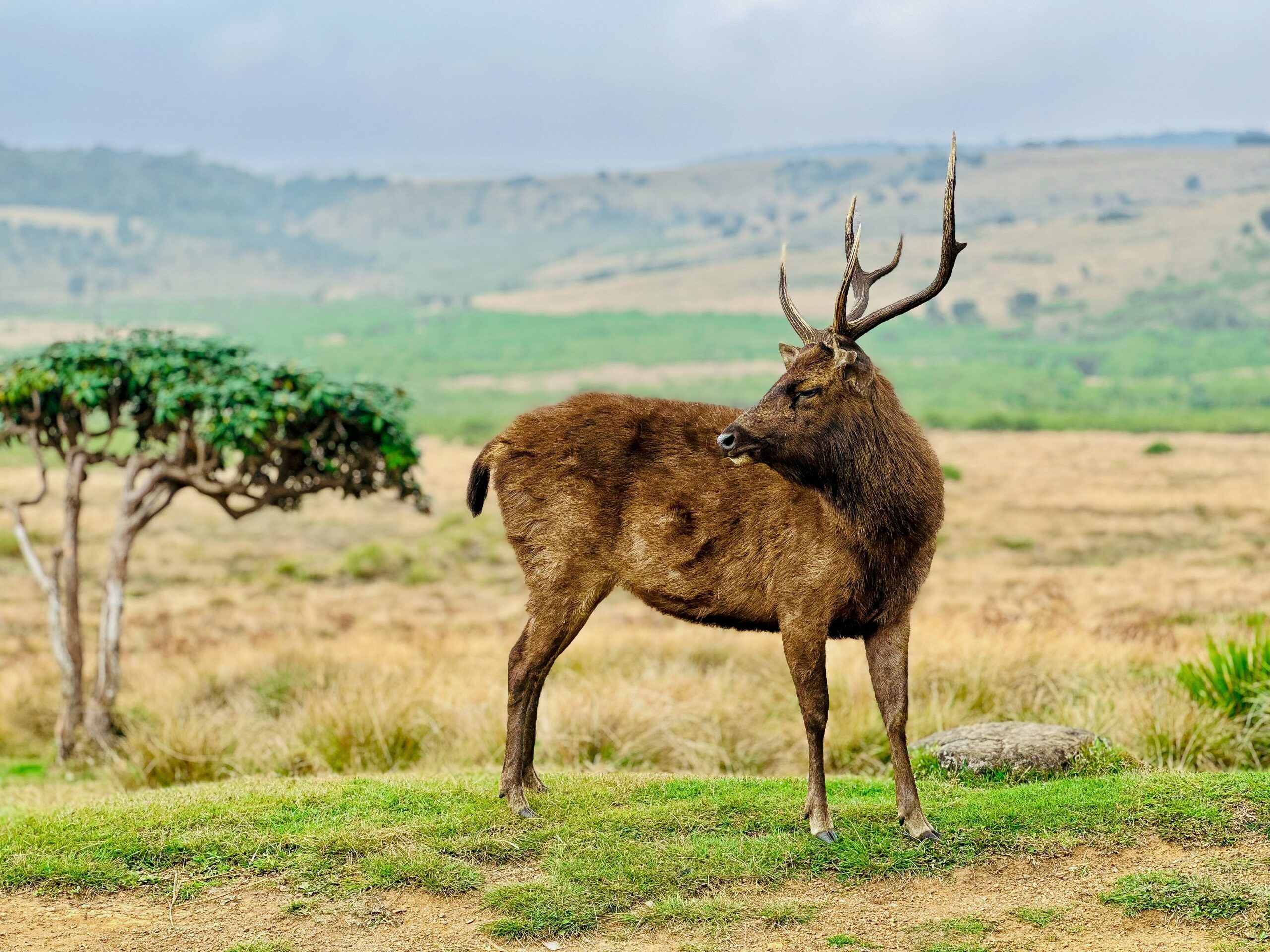
A protected plateau over 2,000 metres high, Horton Plains is a surreal landscape of montane grassland and cloud forest. It’s home to species like the sambar deer, the elusive leopard, and a number of endemic birds and plants. Eco travellers are especially captivated by the World’s End viewpoint—a dramatic drop of nearly 880 metres—and the peaceful Baker’s Falls. Strict eco-tourism guidelines help preserve the park’s delicate ecosystem, offering nature lovers a rare chance to walk through misty wilderness with minimal human interference.
Adam’s Peak
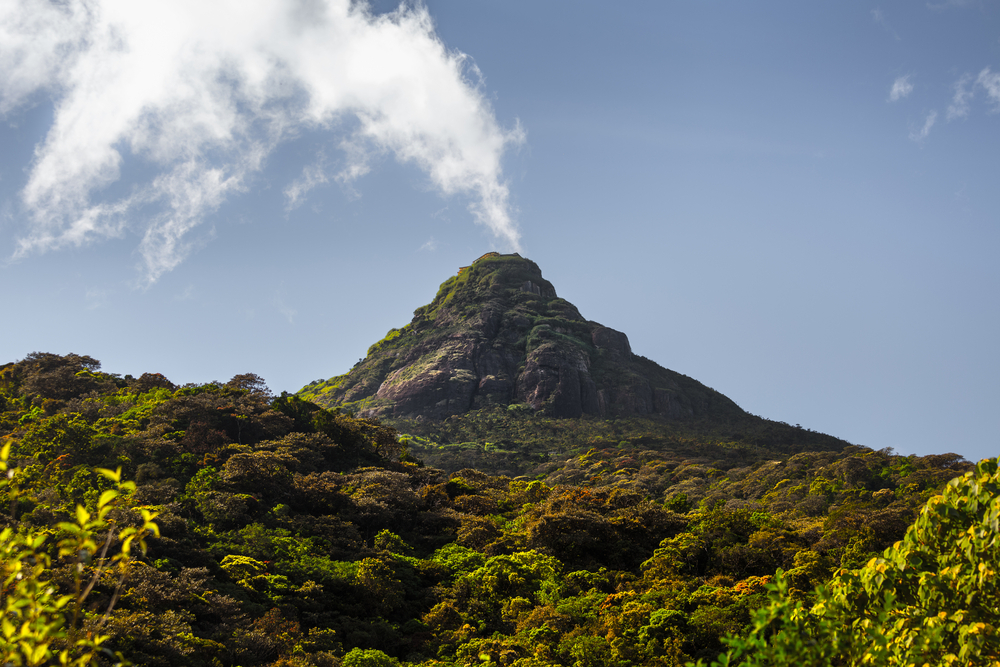
Towering at 2,243 metres, Adam’s Peak is not only a site of immense religious significance but also an ecological marvel. Pilgrims and trekkers ascend its forested slopes in the early hours to witness a spectacular sunrise and the famous shadow of the peak. The journey winds through rich biodiversity zones, with endemic flora, streams, and waterfalls along the way. The climb, best done between December and May, offers a harmonious blend of spiritual reflection and natural immersion, making it a bucket-list destination for eco-conscious travellers.